Trezor.io/start: The Complete Guide to Secure Cryptocurrency Access
In the rapidly expanding world of cryptocurrency, security is paramount. Unlike traditional financial systems, cryptocurrencies rely on private keys for access, which means that losing your private keys can result in permanent loss of funds. To mitigate this risk, hardware wallets such as Trezor have become the gold standard for safe cryptocurrency storage.
The Trezor.io/start platform is the official starting point for setting up your Trezor device, whether it’s the Trezor One or Trezor Model T. This guide will walk you through every aspect of using Trezor.io/start, from initial setup and secure login to best practices, troubleshooting, and advanced features. By the end of this guide, you will have the knowledge to safely manage your cryptocurrencies using your Trezor wallet.
1. What is a Trezor Wallet?
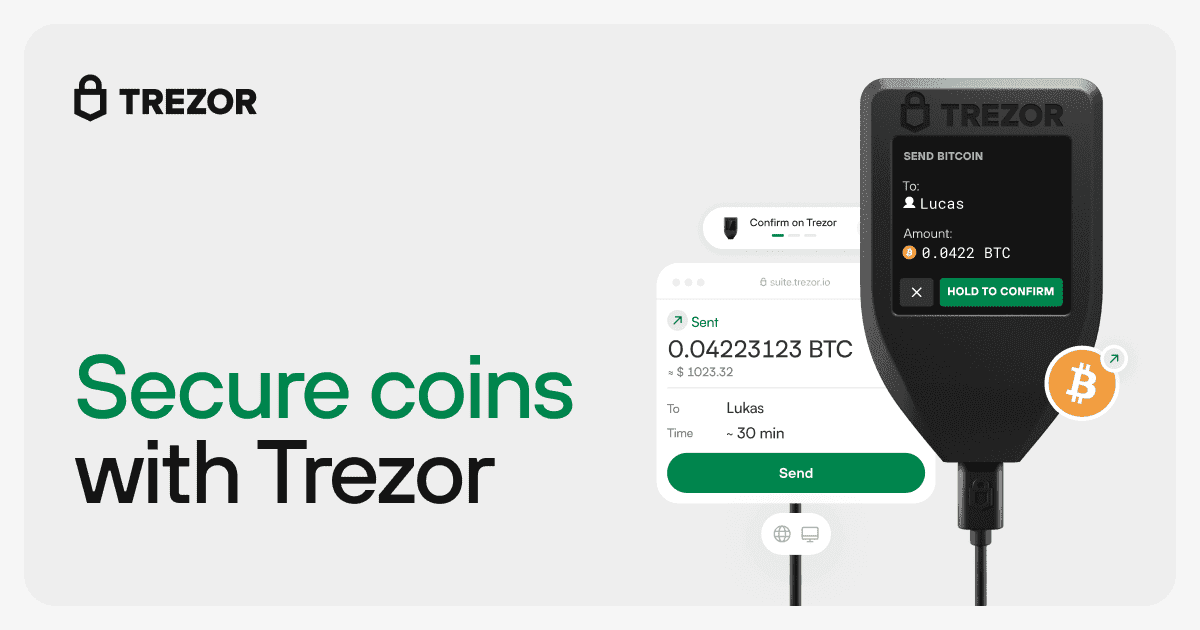
A Trezor wallet is a physical device designed to store cryptocurrency private keys offline. By keeping keys offline, Trezor ensures that hackers or malware cannot easily access your funds. Trezor wallets are often referred to as cold wallets, providing a level of security that software wallets or exchange wallets cannot match.
Trezor offers two main models:
Trezor One: Affordable, compact, and beginner-friendly.
Trezor Model T: Advanced device with a touchscreen and additional features for professional users.
Both devices work with Trezor Suite, a desktop and web application that allows users to manage cryptocurrencies, monitor balances, and perform secure transactions.
2. Why Trezor.io/start is Important
The website Trezor.io/start is the official starting point for setting up your Trezor wallet. It ensures that users download the correct software and follow verified instructions, reducing the risk of phishing attacks or installing malicious software.
Key functions of Trezor.io/start include:
Guiding you through the initial setup of your Trezor device.
Directing you to download Trezor Suite safely.
Providing step-by-step instructions to create a new wallet or restore an existing one.
Offering security guidance to protect your recovery seed.
By using Trezor.io/start, you guarantee that you are following the official, secure pathway to manage your cryptocurrency safely.
3. Setting Up Your Trezor Wallet via Trezor.io/start
Step 1: Access the Website
Navigate to Trezor.io/start using a secure browser. Always verify the URL to avoid phishing scams.
Step 2: Download Trezor Suite
The next step is to download Trezor Suite, which is the official software used to manage your wallet. Trezor Suite is available for:
Desktop (Windows, macOS, Linux)
Web (Browser-based management)
Download the appropriate version for your device and install it following on-screen instructions.
Step 3: Connect Your Trezor Device
Plug your Trezor One or Model T into your computer using a USB cable.
For Trezor Model T, the touchscreen will guide you through setup; Trezor One uses buttons for navigation.
Step 4: Initialize the Device
You have two options during initialization:
Create a new wallet
The device generates a 24-word recovery seed.
Write these words down carefully on the provided card. This seed is the backup key to restore your wallet if the device is lost or damaged.
Recover an existing wallet
Enter your existing recovery seed to restore access to your cryptocurrency holdings.
Step 5: Set a PIN Code
A PIN protects your device from unauthorized physical access.
Choose a unique PIN; avoid predictable numbers or sequences.
After completing these steps, your Trezor wallet is ready for secure use.
4. How to Log In to Trezor
Logging in to a Trezor wallet is slightly different from traditional online logins, as it uses hardware authentication instead of passwords.
Step 1: Connect Your Device
Use a USB cable to connect Trezor One or Model T to your computer.
Step 2: Enter PIN
Input the PIN directly on the device. For Model T, use the touchscreen; for Trezor One, use the physical buttons.
Step 3: Open Trezor Suite
Launch Trezor Suite on your computer or browser. The software detects the connected Trezor device.
Step 4: Authenticate the Device
Trezor Suite will confirm the device and allow access to your wallet. Private keys remain on the Trezor device during this process.
Step 5: Manage Wallets
After logging in, you can view balances, send and receive cryptocurrencies, and manage multiple accounts securely.
5. Security Features of Trezor
Trezor is designed with security as a top priority. Here are the main features that protect your cryptocurrency:
Offline Key Storage
Private keys are never exposed to the internet, reducing hacking risk.
PIN Protection
A physical PIN code ensures that only the device owner can access the wallet.
Recovery Seed Backup
The 24-word recovery seed is the master key to your wallet. Secure storage is critical.
Passphrase Support
For additional security, Trezor supports a passphrase, which acts as a 25th word on top of your recovery seed.
Verified Firmware Updates
Trezor devices verify firmware updates cryptographically to prevent tampering.
6. Common Trezor Login Issues
Despite the straightforward login process, users may encounter problems:
Device Not Recognized
Check USB cables and ports.
Try restarting Trezor Suite.
Ensure firmware is up to date.
Forgotten PIN
If the PIN is forgotten, the wallet resets.
Restore funds using your recovery seed and set a new PIN.
Trezor Suite Errors
Ensure you are using the official Trezor Suite software.
Restart your computer or device.
Reinstall the software if necessary.
7. Using Trezor on Mobile Devices
Trezor supports mobile access through Trezor Suite Web or compatible apps like Blockstream and BlueWallet.
Connect your device via USB OTG (for Android) or Lightning adapter (for iOS).
Enter your PIN directly on the Trezor device.
Access and manage your wallets securely on your mobile device.
8. Best Practices for Trezor Wallets
Following best practices ensures that your Trezor wallet remains secure:
Always Use Trezor.io/start: Avoid third-party setup guides.
Secure Recovery Seed: Store offline in a safe location; consider multiple backups.
Enable PIN and Passphrase: Adds additional layers of security.
Update Firmware Regularly: Keep your device protected from vulnerabilities.
Avoid Public Computers: Only use Trezor Suite on trusted devices.
Be Wary of Phishing: Always verify URLs and emails.
9. Advantages of Using Trezor.io/start
Using Trezor.io/start offers several benefits:
Verified Setup Process: Reduces risk of phishing attacks.
Step-by-Step Guidance: Simplifies setup for beginners.
Secure Software Downloads: Ensures you only install official Trezor Suite.
Comprehensive Support: Access tutorials, FAQs, and troubleshooting guides.
10. Advanced Features of Trezor Wallets
Trezor devices offer advanced functionality for experienced users:
Multi-Currency Support: Manage Bitcoin, Ethereum, and thousands of other coins.
Integration with DeFi Platforms: Connect to decentralized finance applications securely.
Multi-Wallet Management: Handle multiple wallets from one device.
Passphrase Vaults: Create multiple passphrase-protected wallets for enhanced security.
11. Troubleshooting Advanced Issues
For more technical problems, users can follow these steps:
Firmware Update Failure: Ensure a stable connection; do not disconnect the device mid-update.
Corrupted Trezor Suite Installation: Reinstall the software from Trezor.io/start.
Device Unresponsive: Reset the device following official Trezor instructions and restore using your recovery seed.
12. Future of Trezor Wallets
As cryptocurrency adoption grows, Trezor continues to evolve:
Biometric Authentication: Potential integration for faster device access.
Enhanced Mobile Features: Improved mobile wallet support.
Advanced DeFi Integration: Seamless connectivity to decentralized finance platforms.
Improved Multi-Device Synchronization: Secure management across multiple devices.
Trezor.io/start will remain the official hub for secure setup and software downloads.
13. Conclusion
Trezor.io/start is the official gateway to setting up, logging in, and managing your Trezor wallet securely. By following the step-by-step instructions, using verified software, and adhering to security best practices, users can confidently protect and manage their cryptocurrency holdings.
Trezor combines offline private key storage, hardware-based authentication, and intuitive software to provide a secure and user-friendly experience. Regular firmware updates, careful handling of recovery seeds, and vigilance against phishing attacks ensure that your digital assets remain safe.