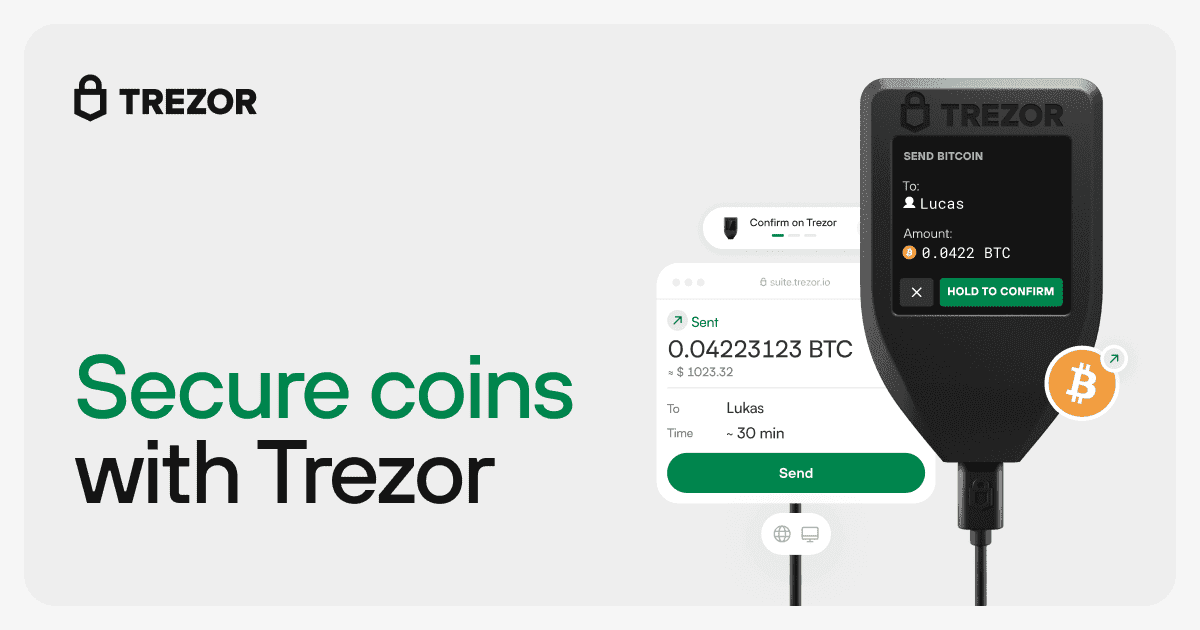
Trezor.io/start: The Ultimate Guide to Setting Up and Securing Your Cryptocurrency Wallet
The rise of cryptocurrency has made digital financial security more important than ever. Unlike traditional bank accounts, cryptocurrencies rely entirely on private keys. If those keys are lost or stolen, there is no way to recover your funds. This is where Trezor hardware wallets come into play. Trezor provides a secure way to store and manage cryptocurrency by keeping private keys offline, offering protection against hacks, malware, and phishing attacks.
The official starting point for using your Trezor wallet is Trezor.io/start. This platform ensures you download authentic software and follow verified instructions for setup and security. This guide will walk you through every aspect of Trezor.io/start, including setup, login, troubleshooting, advanced features, and best practices.
1. Understanding Trezor Wallets
A Trezor wallet is a physical hardware device that stores your cryptocurrency private keys offline. By keeping keys offline, Trezor dramatically reduces the risk of online theft.
Trezor Models
Trezor One: Compact and beginner-friendly, offering support for most major cryptocurrencies.
Trezor Model T: Advanced model featuring a touchscreen, enhanced security, and broader currency support.
Both devices work with Trezor Suite, a software platform for desktop and web that allows you to manage multiple cryptocurrencies, check balances, and perform transactions securely.
2. Why Trezor.io/start Matters
Trezor.io/start is the official portal for starting with your Trezor device. It ensures users follow the correct setup process, reducing the risk of mistakes or security breaches.
Benefits of using Trezor.io/start include:
Downloading verified Trezor Suite software.
Step-by-step guidance for creating a new wallet or recovering an existing one.
Official tutorials and security tips.
Avoiding phishing attacks and fraudulent software.
Following this platform ensures your wallet is initialized and configured securely.
3. Step-by-Step Setup via Trezor.io/start
Proper setup is critical for securing your cryptocurrency.
Step 1: Verify Your Device
Check the packaging for tampering. Trezor packages include security seals to confirm authenticity.
Step 2: Download Trezor Suite
Available for Windows, macOS, Linux, and web browsers. Avoid unofficial sources to prevent malware risks.
Step 3: Connect Your Trezor
Trezor One: Use physical buttons.
Trezor Model T: Use the touchscreen for navigation.
Step 4: Initialize Wallet
Create a New Wallet: The device generates a 24-word recovery seed. Write it down and store it securely.
Recover Existing Wallet: Enter your recovery seed to regain access to funds.
Step 5: Set a PIN
Create a unique PIN for physical access protection. Avoid obvious sequences like “1234.”
Once complete, your Trezor is ready for secure use.
4. Logging In to Your Trezor Wallet
Unlike online accounts, Trezor uses hardware authentication instead of passwords.
Step 1: Connect Device
Plug your Trezor into a computer or supported mobile device.
Step 2: Enter PIN
Use the buttons (Trezor One) or touchscreen (Model T).
Step 3: Open Trezor Suite
Launch the software to recognize your device.
Step 4: Authenticate
Confirm the connection in Trezor Suite. Private keys remain securely on the device.
Step 5: Access Wallet Functions
Check balances, send/receive cryptocurrency, and manage multiple accounts.
5. Security Features of Trezor Wallets
Trezor is built with multiple security layers:
Offline Key Storage: Keys never leave the device.
PIN Protection: Prevents unauthorized access.
Recovery Seed: 24-word seed for wallet restoration.
Passphrase Option: Acts as an additional layer of encryption.
Firmware Verification: Updates are cryptographically verified.
6. Common Trezor Login Problems
Even secure devices can encounter issues:
Device Not Recognized
Check connections, restart software, or update firmware.
Forgotten PIN
Reset the device and recover funds with your recovery seed.
Software Errors
Ensure Trezor Suite is official, update it, or reinstall if needed.
Frozen Device
Restart the device; contact support if the problem persists.
7. Trezor on Mobile Devices
Trezor can be accessed on mobile devices using Trezor Suite Web or compatible apps like BlueWallet:
Connect via USB OTG (Android) or Lightning adapter (iOS).
Enter PIN on the device.
Manage wallets securely on the go.
8. Best Practices for Trezor Wallets
Use Trezor.io/start exclusively.
Keep recovery seed offline in multiple secure locations.
Use strong PINs and consider a passphrase.
Update firmware regularly.
Avoid public computers for wallet access.
Stay vigilant against phishing attempts.
9. Benefits of Using Trezor.io/start
Verified instructions and software downloads.
Step-by-step guidance for beginners.
Secure and reliable setup process.
Access to tutorials, tips, and troubleshooting resources.
10. Advanced Features
Multi-Currency Support: Manage hundreds of cryptocurrencies.
DeFi Integration: Connect to decentralized finance platforms.
Multi-Wallet Management: Handle multiple wallets on one device.
Passphrase Vaults: Additional wallets secured with unique passphrases.
11. Troubleshooting Advanced Issues
Firmware Update Failure: Ensure stable connection; don’t disconnect mid-update.
Corrupted Software: Reinstall Trezor Suite from Trezor.io/start.
Device Unresponsive: Reset and restore with recovery seed.
12. The Future of Trezor
Trezor continues to innovate:
Biometric Security: Fingerprint or facial recognition could be added.
Enhanced Mobile Integration: Easier management for mobile users.
DeFi and Multi-Chain Support: Seamless integration with evolving blockchain technology.
Multi-Device Sync: Secure access across multiple devices.
13. Conclusion
Trezor.io/start is the official gateway to securely initializing and managing a Trezor wallet. By following the official setup process, using verified software, and adhering to security best practices, users can confidently safeguard their cryptocurrency.
Trezor combines offline key storage, hardware authentication, and intuitive software to provide a secure and user-friendly experience. Protecting your recovery seed, using a strong PIN, enabling passphrases, and remaining vigilant against phishing ensures your digital assets remain safe.