Trezor.io/start: The Definitive Guide to Setting Up and Securing Your Cryptocurrency Wallet
Cryptocurrency has transformed the way we think about money, investments, and digital ownership. With this digital revolution comes a responsibility: keeping your crypto assets safe. Unlike traditional banks, cryptocurrencies are fully decentralized—if you lose access to your wallet, there’s no recovery service to restore your funds. This is where Trezor hardware wallets play a crucial role in protecting your assets.
The official starting point for using a Trezor wallet is Trezor.io/start. This platform ensures that users download authentic software, follow verified setup steps, and learn proper security practices. This comprehensive guide covers everything from unboxing and setup to login, security, troubleshooting, and advanced features.
1. Understanding Trezor Wallets
A Trezor wallet is a physical hardware device that securely stores cryptocurrency private keys offline. By keeping private keys offline, Trezor protects your funds from malware, phishing attacks, and hacks.
Trezor Models
Trezor One: Ideal for beginners, compact, and budget-friendly.
Trezor Model T: Features a touchscreen, enhanced security options, and supports advanced functionality.
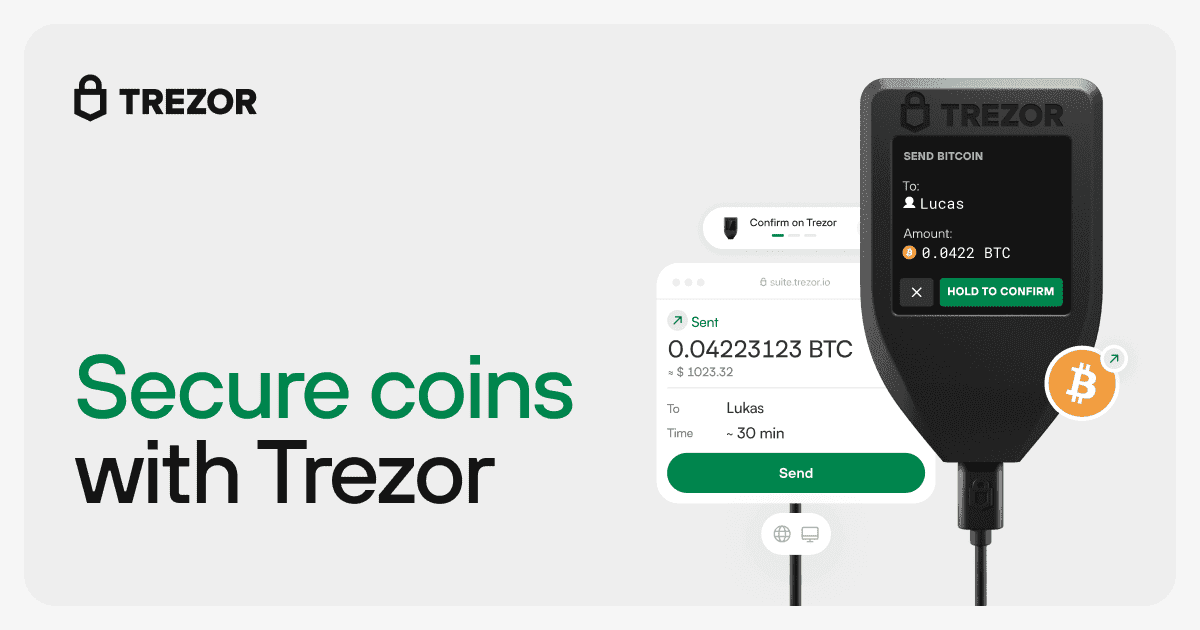
Both devices integrate with Trezor Suite, a software platform available for desktop and web that enables users to manage multiple cryptocurrencies, track balances, and execute secure transactions.
2. Why Trezor.io/start is Essential
The website Trezor.io/start is the official launchpad for Trezor users. By using this portal, you ensure that you are following the official setup process and downloading authentic Trezor Suite software.
Key benefits of Trezor.io/start include:
Step-by-step guidance for new wallet creation.
Secure download links for Trezor Suite.
Instructions for recovering existing wallets.
Tips and tutorials on safeguarding your recovery seed and device.
Using Trezor.io/start minimizes the risk of scams, malware, and human errors during the wallet setup process.
3. Setting Up Your Trezor Wallet
A proper setup is the foundation of a secure cryptocurrency wallet. Follow these steps after visiting Trezor.io/start:
Step 1: Verify Your Device
Ensure the packaging is untampered and the device is genuine. Trezor provides tamper-evident packaging to ensure authenticity.
Step 2: Download Trezor Suite
Available for Windows, macOS, Linux, and as a web app.
Avoid third-party downloads to prevent malware infections.
Step 3: Connect Your Trezor
Plug Trezor One or Model T into your computer using the supplied USB cable.
Model T users will interact with the touchscreen; Trezor One users navigate with buttons.
Step 4: Initialize Your Wallet
Create a New Wallet:
Trezor generates a 24-word recovery seed, which serves as a backup. Record it carefully; it is the only way to recover your wallet if the device is lost or damaged.Recover an Existing Wallet:
Enter your existing recovery seed to restore access to your funds.
Step 5: Set a PIN Code
A PIN prevents unauthorized physical access to your Trezor device.
Choose a unique, non-obvious combination.
After these steps, your wallet is fully initialized and ready for secure use.
4. Logging In to Your Trezor Wallet
Logging in to Trezor differs from traditional accounts because security relies on hardware authentication, not usernames or passwords.
Step 1: Connect the Device
Use the USB cable to connect Trezor One or Model T.
Step 2: Enter PIN
Use the device buttons or touchscreen to enter your PIN.
Step 3: Open Trezor Suite
Launch Trezor Suite on your computer or web browser. The software will recognize your device.
Step 4: Authenticate
Confirm the connection in Trezor Suite. Private keys never leave the device.
Step 5: Manage Your Wallet
View balances, send and receive cryptocurrencies, and manage multiple accounts.
5. Security Features of Trezor
Trezor wallets are designed with multiple layers of security:
Offline Key Storage
Private keys remain on the device and are never exposed online.
PIN Protection
Ensures that only the person with the physical device can access the wallet.
Recovery Seed
The 24-word recovery seed allows wallet restoration in case of device loss.
Passphrase Option
Adds an extra word to your recovery seed, creating a second level of encryption.
Firmware Verification
All firmware updates are cryptographically verified to prevent tampering.
6. Common Login and Access Issues
Even with secure devices, problems can arise:
Device Not Recognized
Check USB connections and ports.
Restart Trezor Suite.
Update device firmware.
Forgotten PIN
The device resets if the PIN is forgotten.
Use the recovery seed to restore your wallet.
Software Errors
Ensure Trezor Suite is official and updated.
Reinstall the software if necessary.
Frozen Device
Reboot the device.
Contact Trezor support for persistent issues.
7. Using Trezor on Mobile Devices
Trezor supports mobile management through Trezor Suite web or compatible wallets like BlueWallet:
Connect via USB OTG (Android) or Lightning adapter (iOS).
Enter PIN on the device.
Securely access and manage your cryptocurrencies on mobile.
8. Best Practices for Trezor Users
Always Use Trezor.io/start: Avoid unofficial guides.
Secure Your Recovery Seed: Keep offline and consider multiple backups.
Use a Strong PIN and Passphrase: Enhance device security.
Update Firmware Regularly: Protect against vulnerabilities.
Avoid Public Computers: Use trusted devices only.
Be Vigilant Against Phishing: Verify URLs and emails.
9. Advantages of Trezor.io/start
Provides verified instructions for wallet setup.
Ensures software authenticity and security.
Guides both new users and experienced cryptocurrency holders.
Offers tutorials and troubleshooting resources.
10. Advanced Trezor Features
Multi-Currency Support: Manage thousands of cryptocurrencies.
DeFi Integration: Connect to decentralized finance platforms securely.
Multi-Wallet Management: Handle several wallets from a single device.
Passphrase Vaults: Create additional passphrase-protected wallets.
11. Troubleshooting Advanced Problems
Firmware Update Failure: Ensure a stable connection and do not disconnect mid-update.
Corrupted Software Installation: Reinstall Trezor Suite from Trezor.io/start.
Device Unresponsive: Reset the device and restore using your recovery seed.
12. The Future of Trezor Wallets
Trezor continues to innovate in cryptocurrency security:
Biometric authentication: Future enhancements may include fingerprint or facial recognition.
Enhanced mobile integration: Simplified access for on-the-go users.
DeFi and multi-chain support: Better integration with emerging blockchain technologies.
Multi-device synchronization: Secure access across multiple devices.
13. Conclusion
Trezor.io/start is the official gateway to securely initializing, logging in, and managing a Trezor wallet. By following the setup steps, using official Trezor Suite software, and adhering to best security practices, users can confidently protect their cryptocurrency holdings.
Trezor wallets combine offline key storage, hardware authentication, and intuitive software to provide a secure and user-friendly experience. Proper handling of your recovery seed, use of a PIN and passphrase, and vigilance against phishing threats ensure that your digital assets remain safe.